
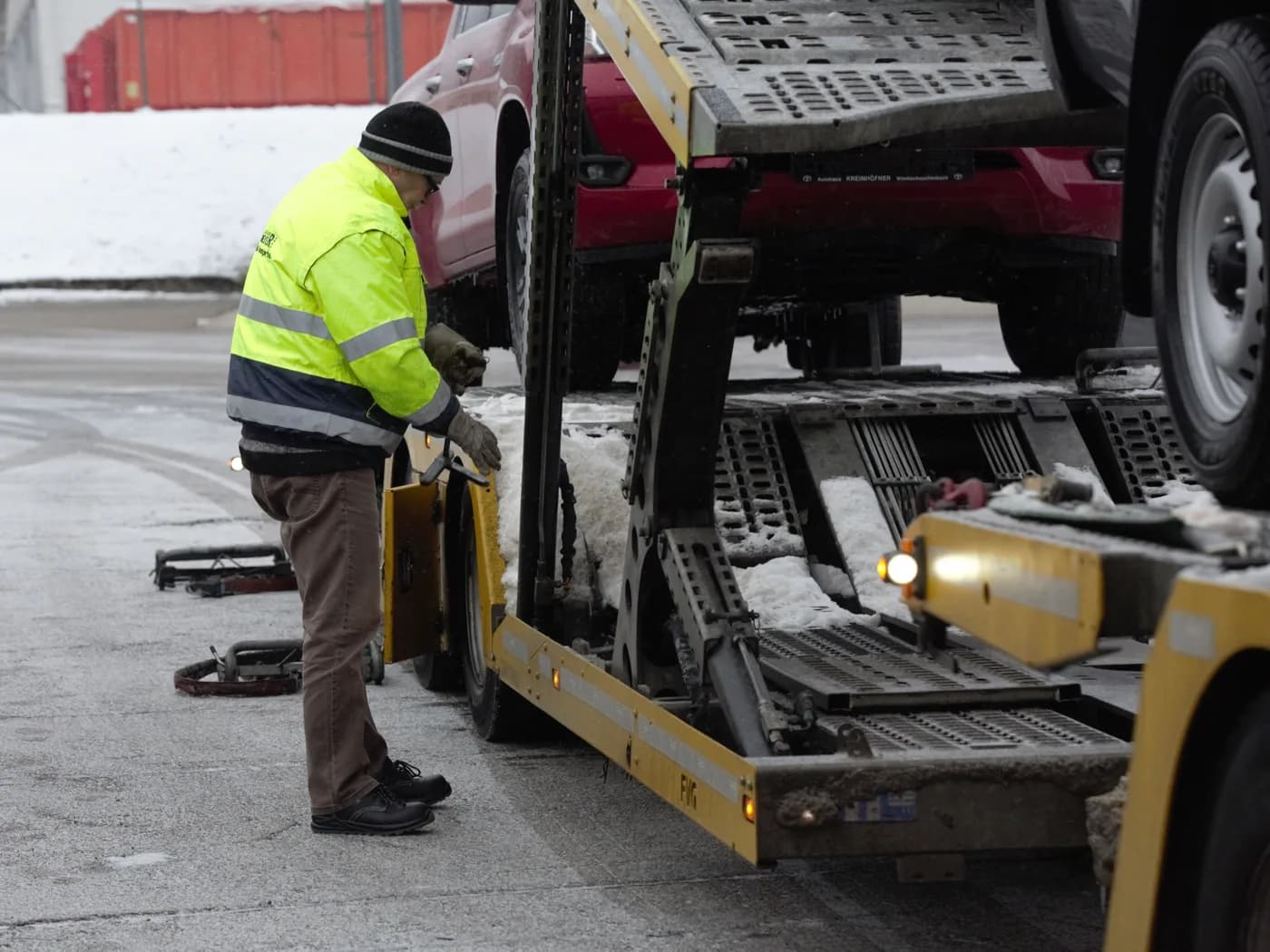
Florida Car Shipping
Car shipping to and from Florida: how the seasonal migration sets which way the trailers move, what hurricane season means for your dates, and every route we publish into or out of the state.
Page reviewed 2026-09-18.

Shipping a Vehicle to or from Florida
Florida is the receiving end of the busiest seasonal vehicle migration in the country, and this page is a single overview of the state rather than any one corridor. Below it are the specific route guides we publish that touch Florida, each written for its actual origin. If your shipment matches one of them, that page has the pickup and delivery detail; this one has what is true of Florida regardless of where the vehicle is coming from.
Most of that traffic arrives from the Northeast and the Midwest, and most of it is bound for the peninsula's metro areas. Two things shape almost every Florida shipment before the address even enters the discussion: the calendar, which decides which direction the trailers are moving, and the length of the state itself, which makes crossing the state line the beginning of the Florida leg rather than the end of it.
Florida-Specific Considerations
What is true of Florida regardless of which route brought you here.
Hurricane season, June to November
A named storm approaching either Florida coast stops deliveries in the affected area, and a carrier will hold a trailer outside the storm's path rather than drive into it — a delay of days, not hours, when it happens. The routine version of the same weather is the summer afternoon thunderstorm, which is a daily event across the state: unloading and inspection are worked around it, so a morning delivery in July holds its time better than an afternoon one. Outside the season, neither is a factor.
The calendar decides which way the trailers move
Seasonal residents from Michigan, New York, Connecticut and the rest of the Northeast send their vehicles south between October and December, and back north in spring. Southbound trailer space fills early in autumn and is easier to find in spring; northbound is the reverse. Shipping with the flow means starting the request earlier than you otherwise would. Shipping against it usually means better availability, and it is one of the few things about car shipping that the time of year genuinely changes.
Florida is flat, and far longer than it looks
A carrier crosses an agricultural inspection station at the state-line welcome center as a routine stop — they exist for pests and produce, not passenger vehicles — and then has most of a day of driving ahead: Tampa is well over half a day south of the line for a loaded trailer, and the peninsula keeps going. At the delivery end, bay crossings, barrier-island causeways and gated communities that restrict commercial vehicles all shape the last miles, which is why the exact address matters more than the city name.
Florida Car Shipping FAQs
Does hurricane season affect car shipping to Florida?
It can, for any delivery between June and November. A named storm approaching the coast stops deliveries in its path, and a carrier will hold the trailer clear of it rather than drive in — expect a delay of days rather than hours when that happens, and keep late-summer and early-autumn dates flexible. Outside the season it is not a factor on any Florida route.
When is the busiest time to ship a car to Florida?
Autumn into early winter. Seasonal residents send their vehicles south between roughly October and December, and southbound trailers on the Northeast and Midwest corridors fill early. Spring reverses the flow, when southbound space opens up and northbound gets tight. If you are shipping with the seasonal crowd, start the request earlier; if you are going the other way, availability is usually on your side.
Will the carrier be inspected entering Florida?
Yes, as a matter of routine. Florida runs agricultural inspection stations at its interstate welcome centers, and every commercial carrier crossing the state line passes through one. They exist to catch agricultural pests and produce, not passenger vehicles, so it is simply a scheduled stop on the leg — but it is one a route ending short of Florida would not have.
Is open or enclosed transport better for shipping to Florida?
Open transport is the standard and the more widely available choice for an everyday vehicle. The exposure to weigh is sun, humidity and heavy rain — and, for a vehicle leaving a winter state, the road salt and slush it travels through on the first day or more of the trip. Enclosed transport removes all of that and is the usual choice for a classic, collector or high-value vehicle, particularly one making the seasonal trip south out of a salt winter.
Which route guide should I read for my Florida shipment?
Whichever one starts in your city, if we publish it — the list below shows every route we currently cover into or out of Florida. If your starting point is not on it, the general practice described on this page and on the open transport guide still applies; the route-specific pages simply add pickup, delivery and seasonal detail for that exact corridor.
Florida Routes
Route guides for the corridors we currently publish into or out of Florida.
Get Your Florida Car Shipping Quote
Tell us the route and the vehicle, and you will see what the options look like before you share any contact details.