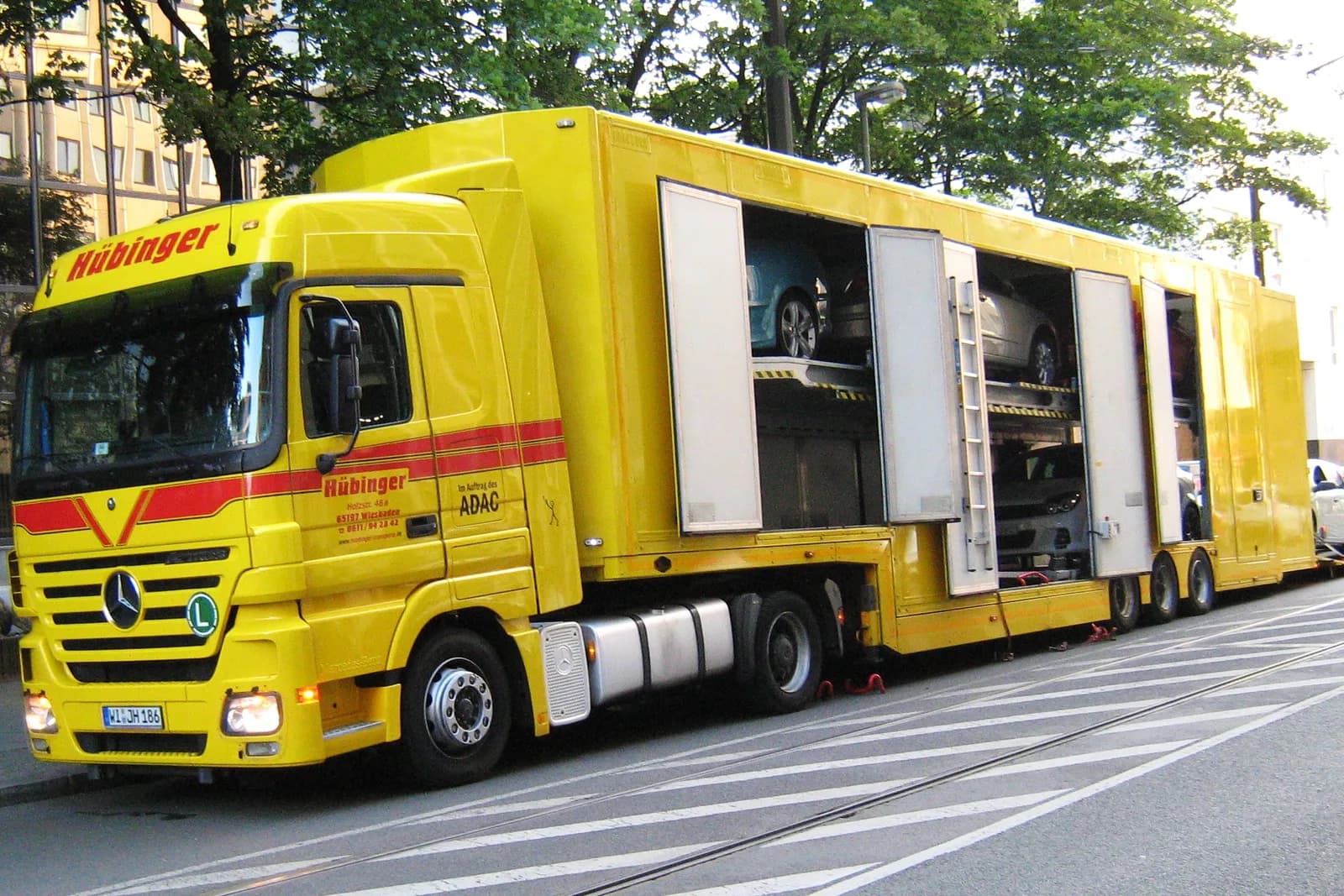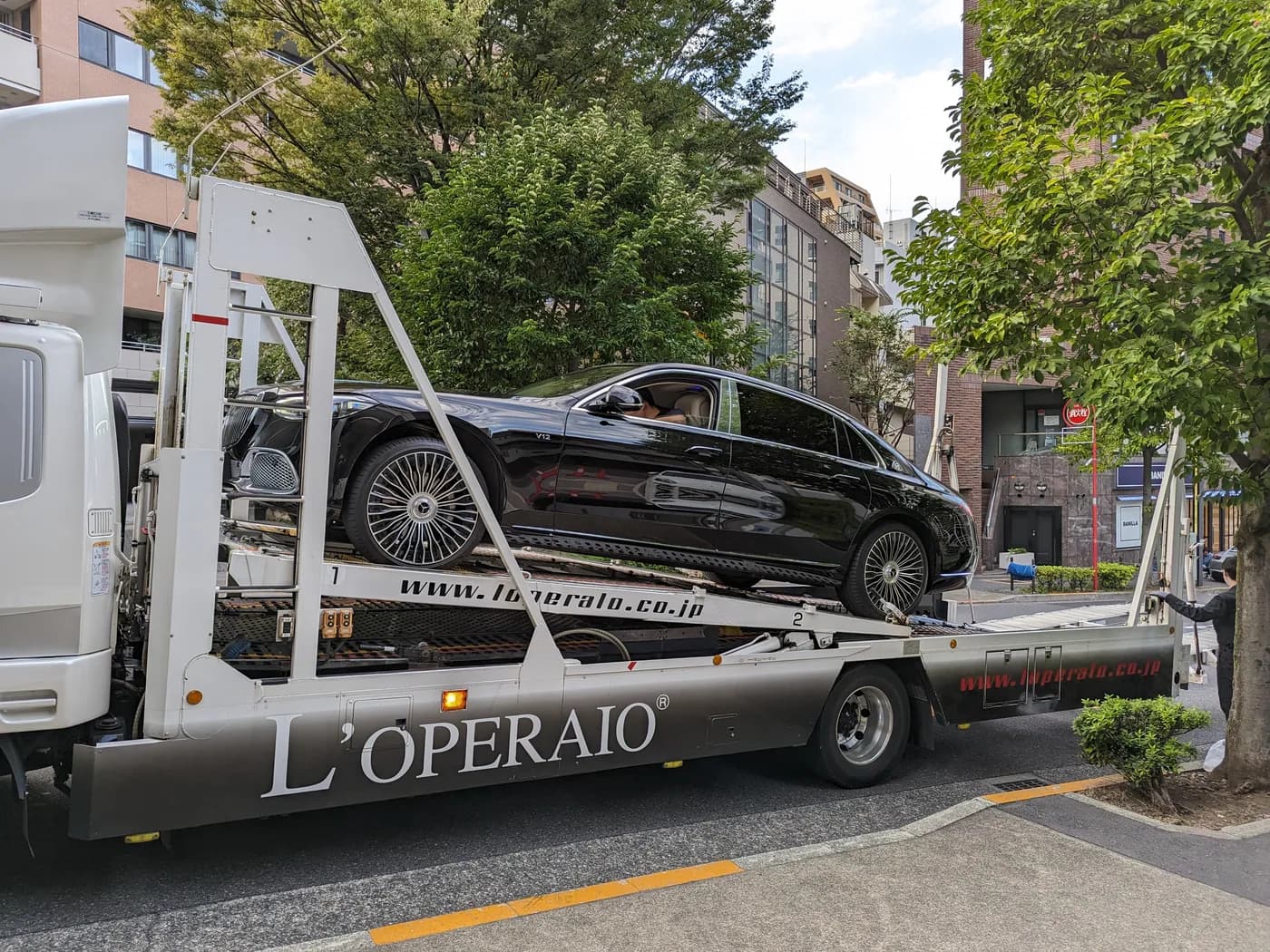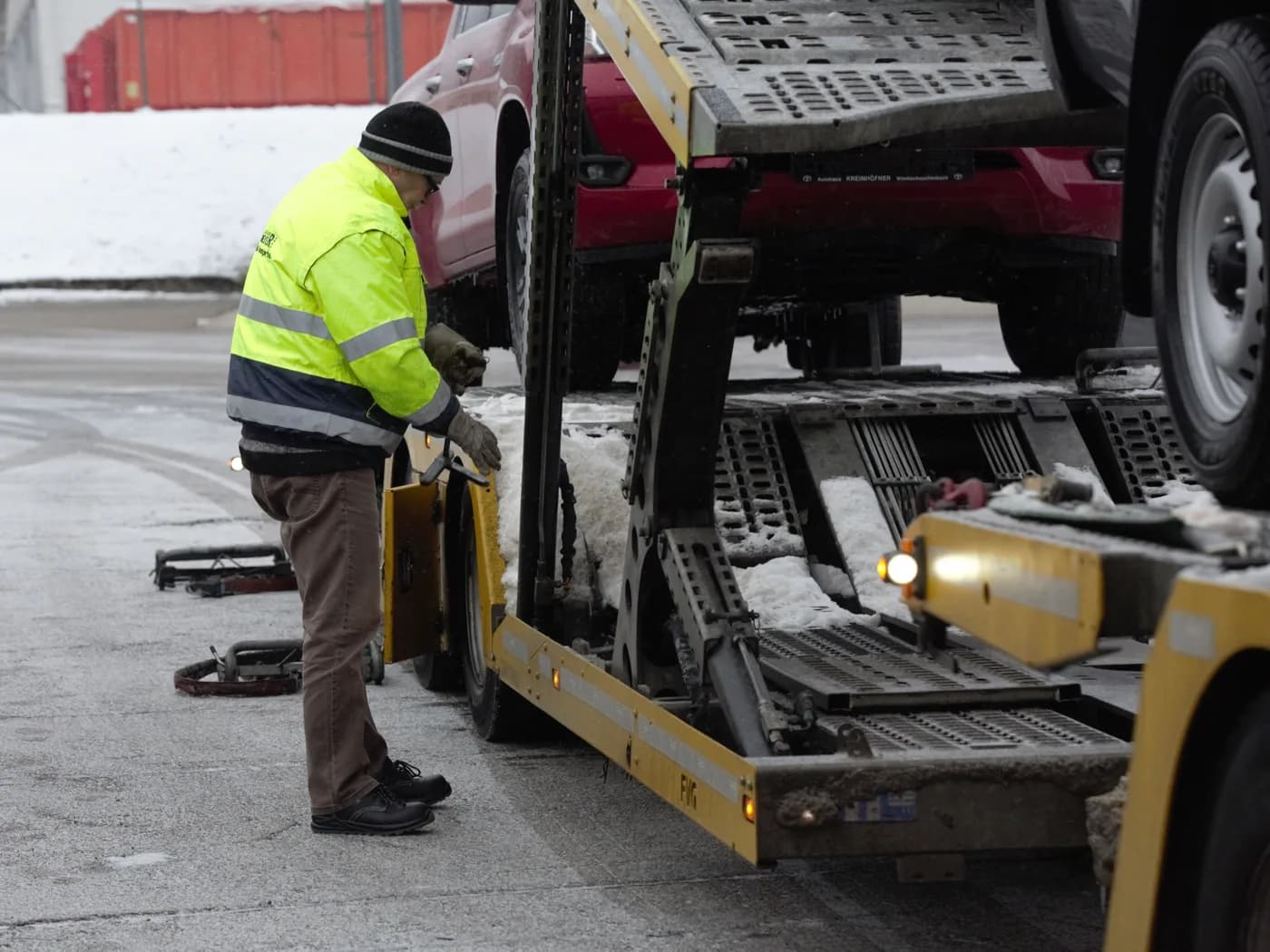
Most of what goes wrong with a vehicle shipment goes wrong at the two ends of the trip, not on the road. The preparation below is what carriers consistently ask for, and every point of it appears in the route guides on this site because it applies on every corridor.
Say whether the vehicle runs
A vehicle that starts, steers and brakes is simply driven onto the trailer. One that does not is winched, which takes longer, needs different equipment and can change which carrier is sent for it. Say which at the request rather than at the kerb: discovering it at pickup is the fastest way to lose a day.
Give the exact address, and describe the approach
Carriers plan approach and parking from the address. A suburban address with a clear drive is a different job from a street with permitted parking on both sides and a low tree canopy. If the vehicle is in a garage, a gated complex, a downtown parking structure or an older neighbourhood with narrow streets, expect to meet the driver at a handover point a large trailer can actually use. It is worth agreeing that in advance rather than on the day.
One easy detail to lose: if the vehicle is on the other side of a state line inside the same metro, describe it as that state, so the pickup is planned correctly.
Remove personal items and keep the fuel low
A trailer has weight limits, and a full tank on a heavy vehicle is weight the driver has to account for. Roughly a quarter tank is the usual guidance unless the carrier says otherwise. Personal items should come out: the contents of the vehicle are not covered the way the vehicle itself is.
Be there for the condition report
Walk around the vehicle with the driver before it is loaded, and again before you sign at delivery. The report made at pickup is what the delivery inspection is compared against, and it is worth far more than a memory of how the car looked. If the trip has crossed a spring storm belt, hail is the specific thing to look for at the delivery end.
Check the vehicle promptly after a long trip
A battery that was marginal at pickup, or tyres that were low, are the things that usually show it after a long haul, especially into summer heat. Check both promptly rather than leaving the car standing for a week.