Almost every vehicle shipped in the United States travels one of two ways: on an open multi-level trailer alongside other vehicles, or inside a fully enclosed trailer. Both are professional transport. The difference is what the vehicle is exposed to on the way, how much the trip costs relative to the other method, and how easy it is to find a trailer with space on your route.
What open transport is
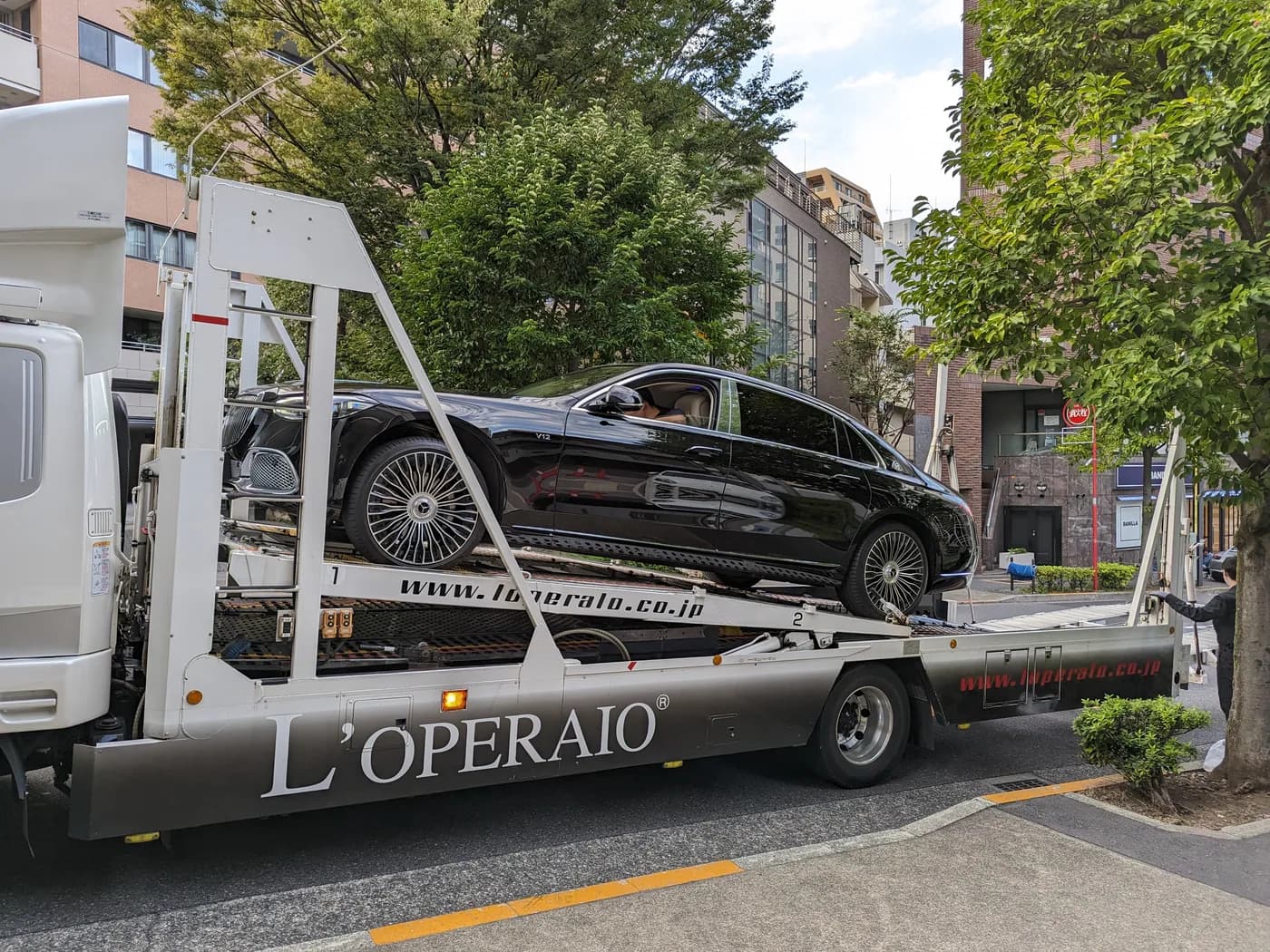
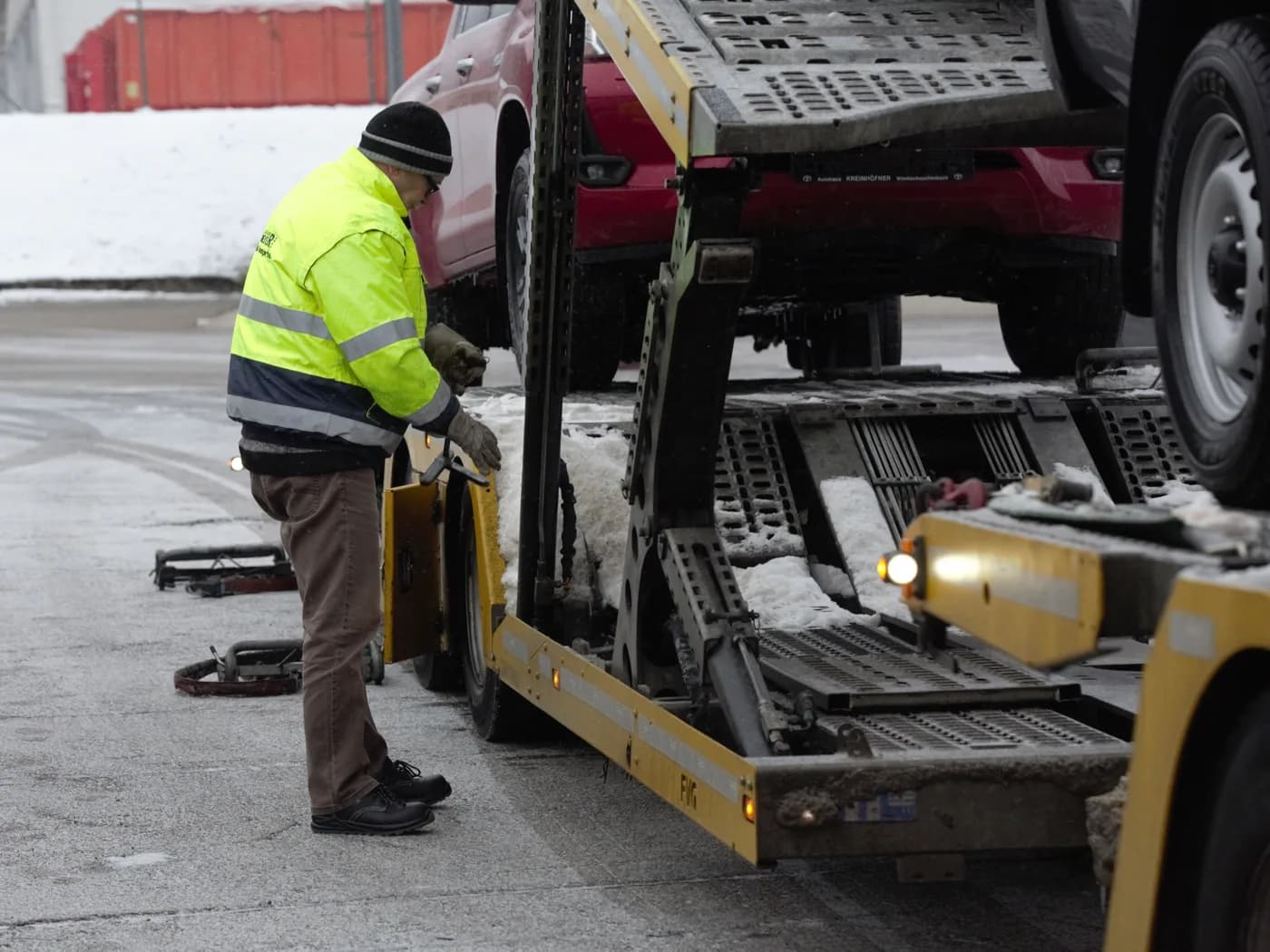
Open transport is the standard method used across the industry. The vehicle rides on an open trailer, usually with several others, and is exposed to weather and road debris in the same way it would be if you drove it. It is usually the more economical method and is widely available on most routes, because most car carriers on the road are open trailers.
It suits vehicles in normal condition: daily drivers, family cars and most SUVs. If the vehicle is one you would drive across the country yourself without a second thought, open transport is the sensible starting point.
What enclosed transport is
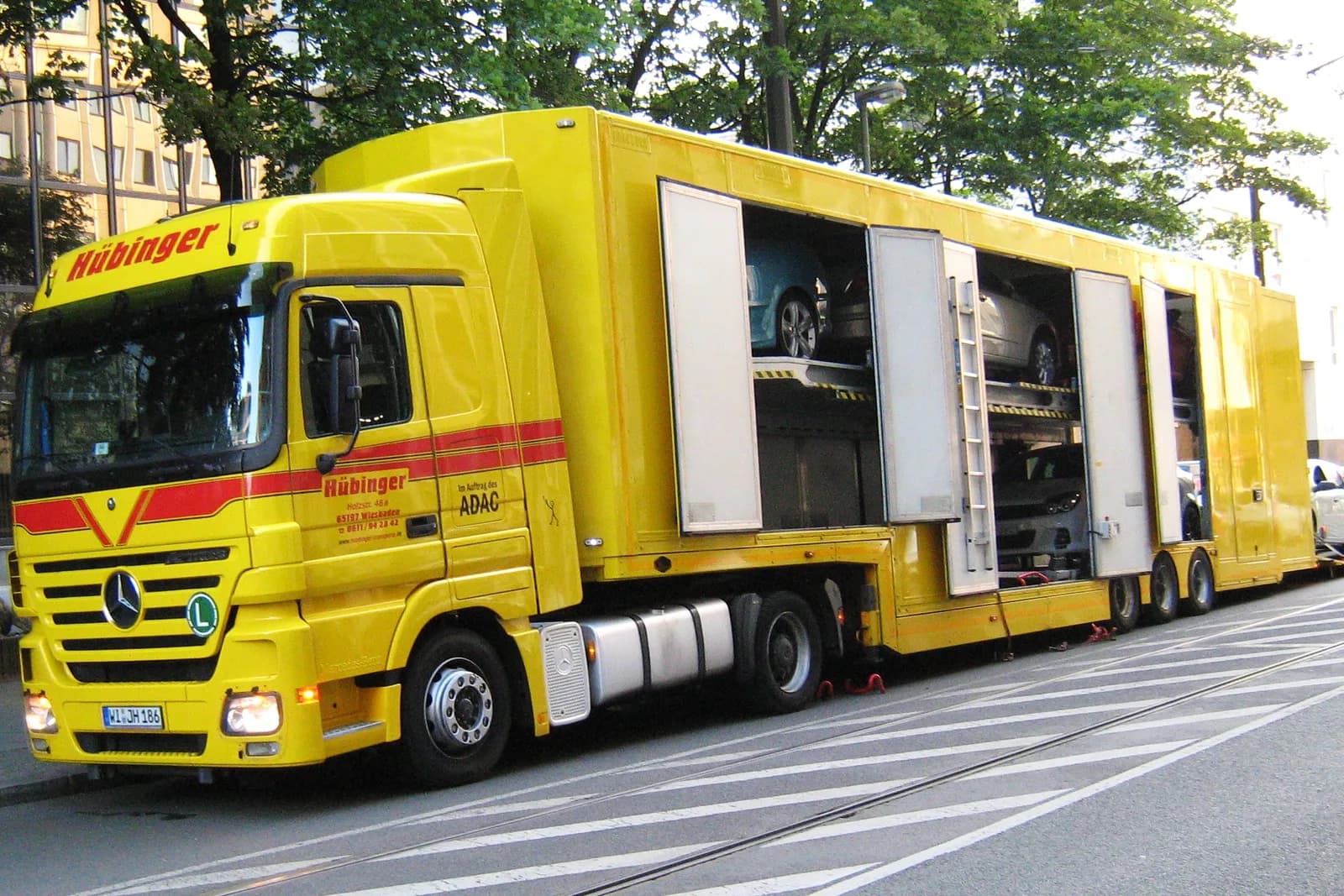
Enclosed transport puts the vehicle inside a closed trailer, so it is not exposed to weather, road debris or the open road. Fewer vehicles share the trailer. It usually costs more than open transport, because the trailer carries fewer vehicles and uses more specialised equipment, and there are fewer enclosed trailers on the road, so availability on a given route is narrower.
It is often preferred for a vehicle that is hard to replace: classic, luxury, modified and high-value vehicles, or anything where the condition matters more to you than the cost of the trip.
How to decide
Start with the vehicle rather than the price. If a stone chip or a week of road grime would genuinely bother you, or the vehicle would be difficult to restore if it were marked, enclosed transport is the method built for that. If the vehicle is an everyday car, open transport is what the industry moves most vehicles on, and the wider availability usually means more scheduling choice.
The route matters too. On corridors with a spring hail season or a long high-country crossing, the case for enclosed transport is stronger than it is on a short, flat run. The route guides on this site describe those conditions corridor by corridor.
If you are not sure, say so. "Not sure yet" is a valid answer in the quote request, and it is better to choose after you have seen the options for your route than to guess before.